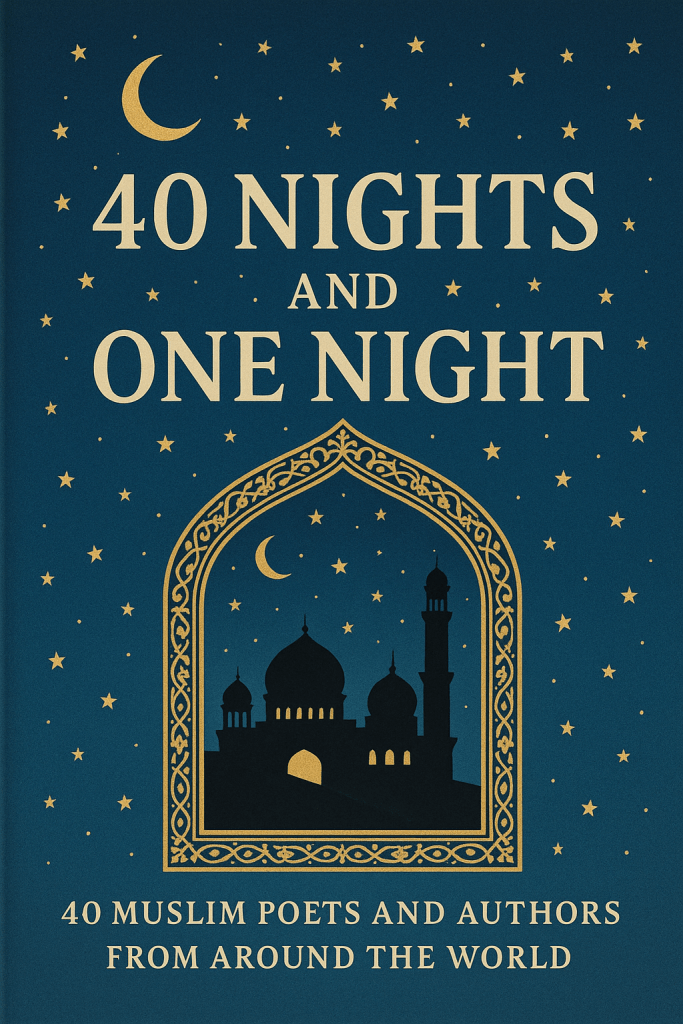
A Global Literary Collaboration Inspired by Imam Al-Nawawi’s 40 Hadith
40 Nights and One Night is a storytelling anthology where 40 Muslim authors from around the world each choose one hadith from Imam Al-Nawawi’s Al-arbaʿīn Al-nawawiyyah and craft an original short story inspired by it.
These are no shuruhat. Each piece breathes life into the hadith through vivid characters, powerful emotion, and rich historical or contemporary settings. Our goal is simple:
To elevate Muslim writing to the next level.
❖ Your Story, Your Way
Each writer is challenged to:
✦ Explain the Hadith’s Heart: Without quoting directly, leave the reader with a deep, intuitive understanding of the hadith’s wisdom.
✦ Embody Its Message: Show the consequences of choice, the weight of faith, the struggle of transformation, all through narrative.
✦ Elevate the Craft: This is a literary work. We aim for lyrical prose, layered imagery, and stories that stand the test of time.
❖ Writing Guidelines
| Element | Guideline |
|---|---|
| Length | 1500–3000 words (flexible) |
| Genre | Historical Fiction (ancient or recent, but rooted in real time & place) |
| POV | Any (1st person, 3rd person, etc.) Each historical character can only be used by one writer |
| Setting | Real historical or contemporary. Avoid fully fictional worlds |
| Language | English (Arabic or other terms with context or glossary) |
| Tone | Literary, reflective, emotionally grounded, not preachy or didactic |
| Poetry | Encouraged, use with intention and excellence |
❖ What Counts as Historical Fiction?
Historical fiction uses real people, events, and cultures as a canvas, then paints bold, imagined stories to explore eternal truths.
Stories can be set:
- In 7th-century Arabia
- During the Ottoman Empire
- In 2025 Gaza
- Or inside an immigrant father’s cab in New York City
As long as the world feels real, it qualifies.
You may use fictional characters or respectfully imagined real ones to explore questions history books can’t answer.
Examples:
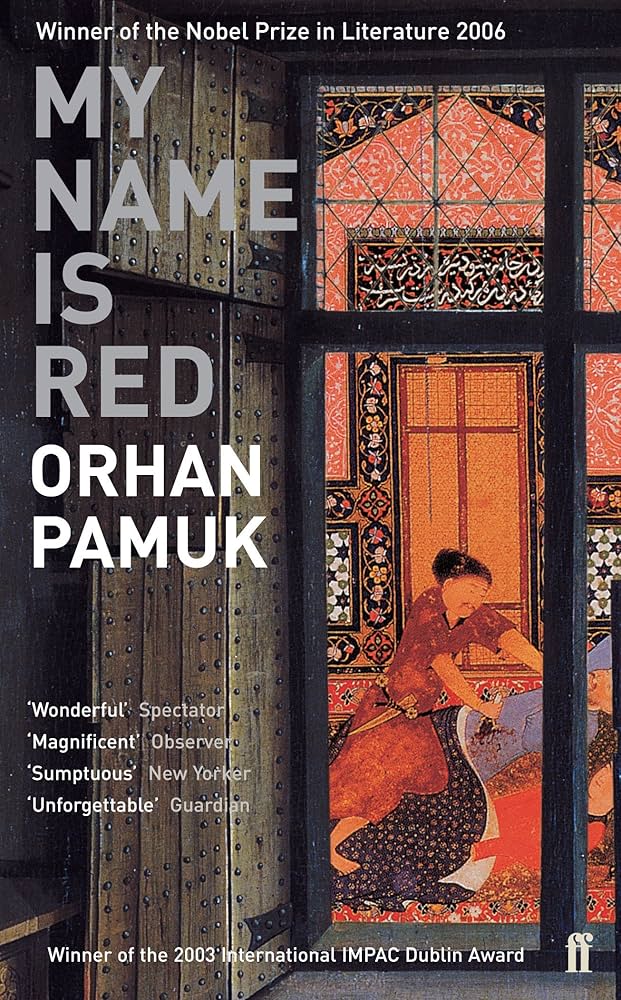


Note: While these works may not be “Islamically pure” and are riddled with distortions, we can still learn for them while aiming to remove such distortions and replace them with stories that reflect our values such as Haya’, Truth and Justice.
❖ Recommended Reading
Want to sharpen your story? These resources will deepen your craft and clarify your purpose:
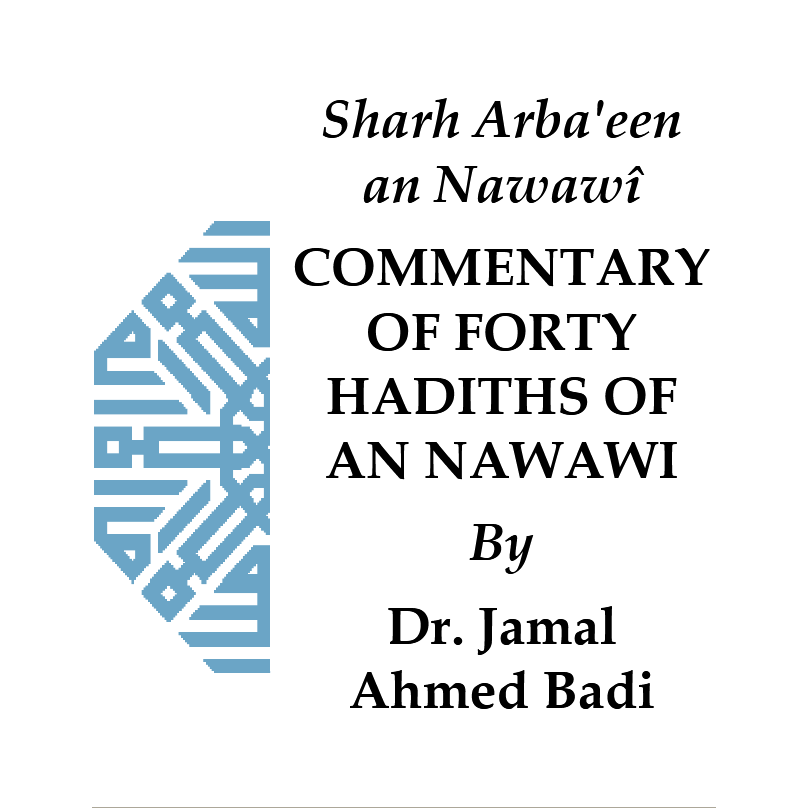
Helps decode the spiritual weight of each hadith
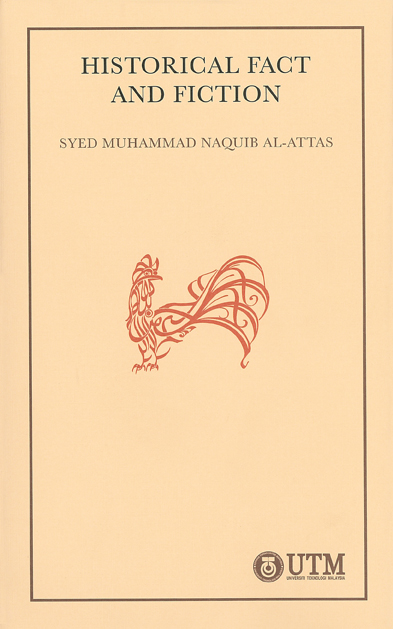
Why Islamic storytelling is sacred, not escapism

How to balance emotional truth with literary beauty
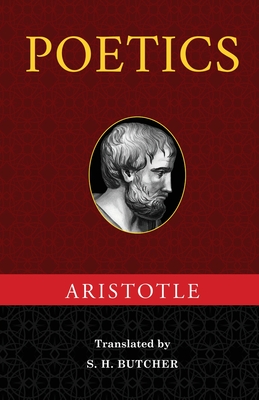
Epic structure, catharsis, and lasting impact
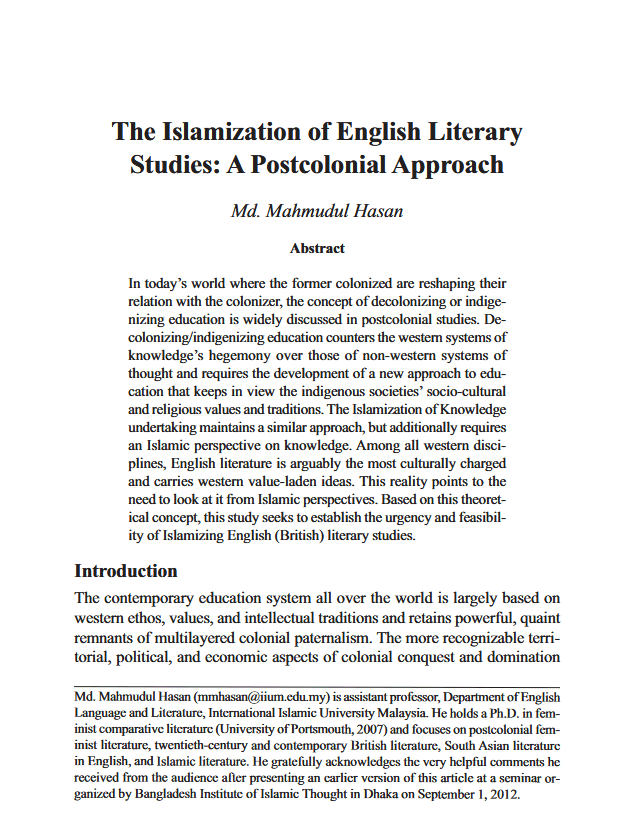
How language was used as Cultural Imperialism
Interested? Reach out to the head author Mohammed Babiker at babikeranalyst@gmail.com if you think it has what it takes to write a modern Epic
 Sahaba Epic